
Creating a Wellness Space at Home
Creating a Wellness Space at Home
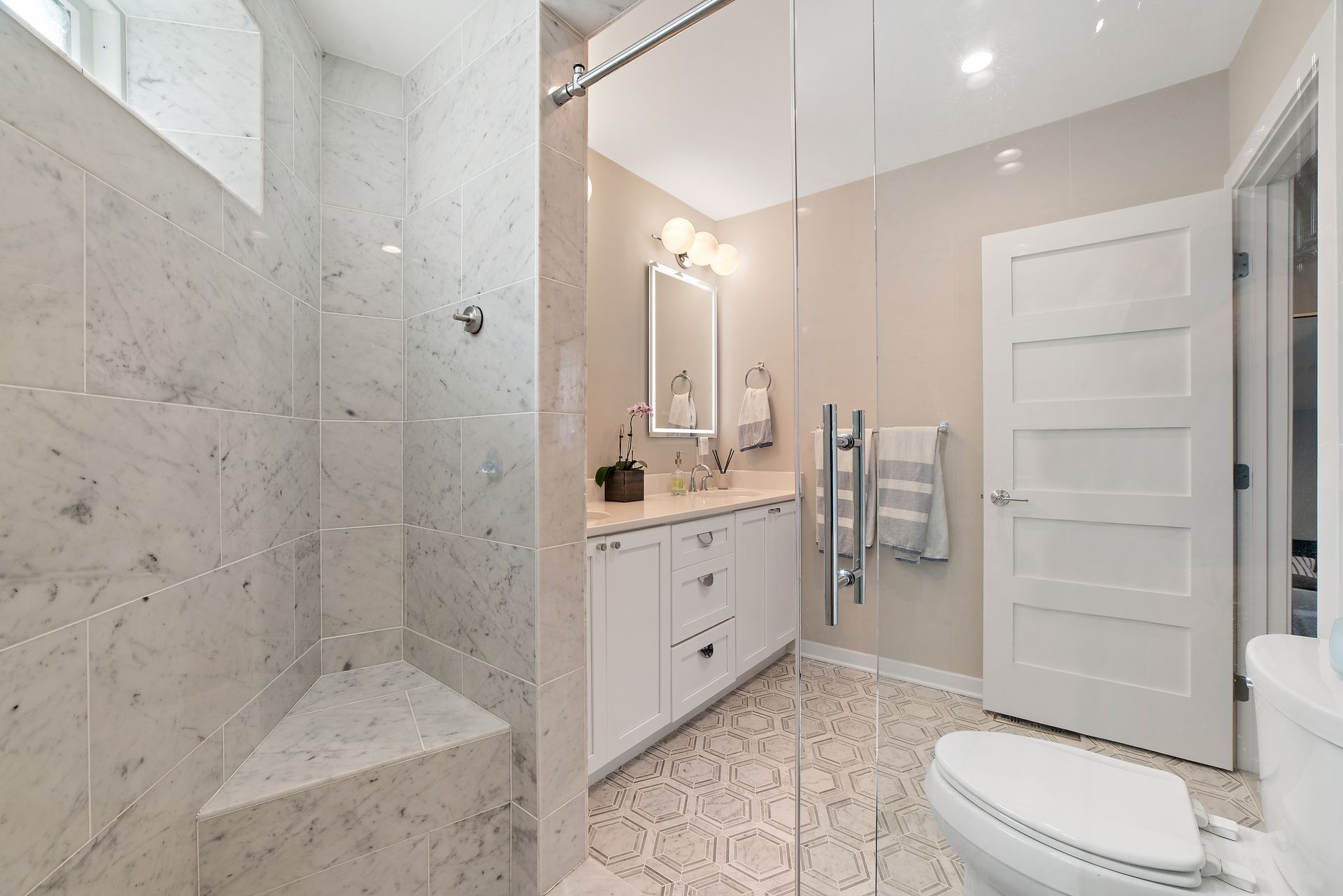
In the pace of daily life, the spaces we inhabit can either add to our stress or help restore balance. A wellness space is intentionally designed to support physical, mental, and emotional well-being. It is not defined by luxury or size, but by how effectively it creates an environment that allows someone to slow down, recharge, and reconnect with themselves.
A wellness space begins with purpose. Unlike a typical room that may serve multiple functions, a wellness space is created with a specific intention: restoration. For some, this might mean a quiet room for meditation or prayer. For others, it may be a small home gym, a reading nook, or a spa-like bathroom designed for relaxation. The key is designing the space around the activities that help you feel centered and renewed.
Light plays an essential role in shaping that experience. Natural light has a powerful effect on mood, energy levels, and overall health. Spaces that incorporate larger windows, skylights, or soft indirect lighting tend to feel calmer and more inviting. When natural light is limited, warm layered lighting can help replicate that same sense of comfort and tranquility.
Material choices also contribute to the atmosphere. Natural materials such as wood, stone, linen, and cotton create a tactile connection to the outdoors and often feel more grounding than synthetic finishes. Textures matter as well. Soft textiles, warm flooring, and surfaces that feel pleasant to the touch all help reinforce the sense that the space exists for comfort and care.
Sound and acoustics are often overlooked but can significantly influence how restorative a room feels. A wellness space should minimize harsh or disruptive noise. Thoughtful insulation, solid doors, rugs, and upholstered furnishings can help absorb sound and create a quieter environment. In some cases, homeowners intentionally incorporate calming sound elements such as water features or soft background music.
Air quality and ventilation are another important component. Fresh air, proper humidity levels, and good ventilation can dramatically improve how a space feels and functions. Incorporating plants, operable windows, and high-quality ventilation systems can contribute to a healthier environment that supports both physical and mental well-being.
A well-designed wellness space also prioritizes simplicity. Clutter can quickly undermine the calming effect a room is meant to provide. Storage solutions that keep the space organized and intentional help maintain a sense of calm. The goal is not minimalism for its own sake, but rather an environment free from unnecessary distraction.
Examples of Wellness Spaces
Wellness spaces can take many forms depending on how someone prefers to recharge. In some homes, a small meditation or prayer room offers a quiet retreat for reflection and mindfulness. These spaces are often simple, with comfortable seating, soft lighting, and minimal distractions.
A reading nook can serve a similar purpose. A comfortable chair, warm lighting, and nearby shelving can create a quiet corner dedicated to slowing down and disconnecting from daily demands.
Bathrooms are increasingly becoming one of the most common wellness spaces in the home. A thoughtfully designed bathroom can transform routine activities into restorative moments. Soaking tubs, steam showers, heated floors, and calming materials can turn the space into a personal retreat.
Some homeowners create wellness spaces focused on physical activity. A small home gym, yoga room, or stretching area can encourage daily movement and support long-term health. Even a modest open area with natural light and room for a yoga mat can serve this purpose well.
Outdoor wellness spaces are also becoming more popular. A screened porch, quiet garden seating area, or patio designed for morning coffee can create a place to relax and reconnect with nature.
Designing With Intention
At PACE Design & Construction, we encourage homeowners to think about wellness as part of the overall design process rather than an afterthought. When a home is intentionally designed to support rest, recovery, and balance, it has a lasting impact on daily life. A wellness space does not need to be large or elaborate. What matters most is that it reflects the habits and activities that help you feel your best.
A well-designed wellness space is ultimately about creating a place where the demands of the outside world fade away, even if only for a few minutes each day. In a home designed with intention, those moments of restoration become part of everyday living.